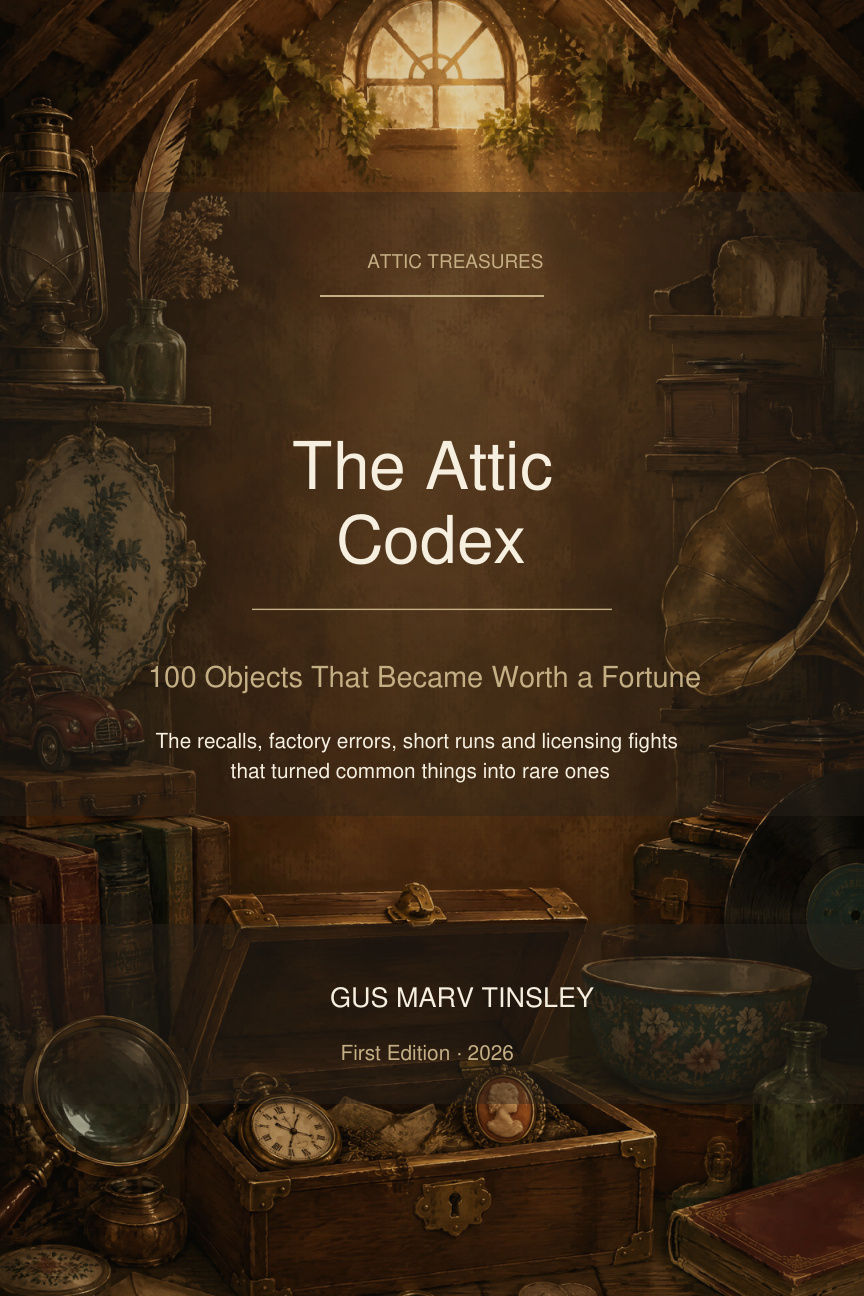
One hundred ordinary objects and the exact accident that made each one rare — a recall, a factory error, a short run, a lawsuit. The tell for every single one, and an honest range for what it actually sells for.
Instant download · Yours forever

“In forty years I have watched a great many families throw away a great deal of money. Not carelessly — they were tired, and the dumpster was rented by the day.”
Gus, Before You Begin
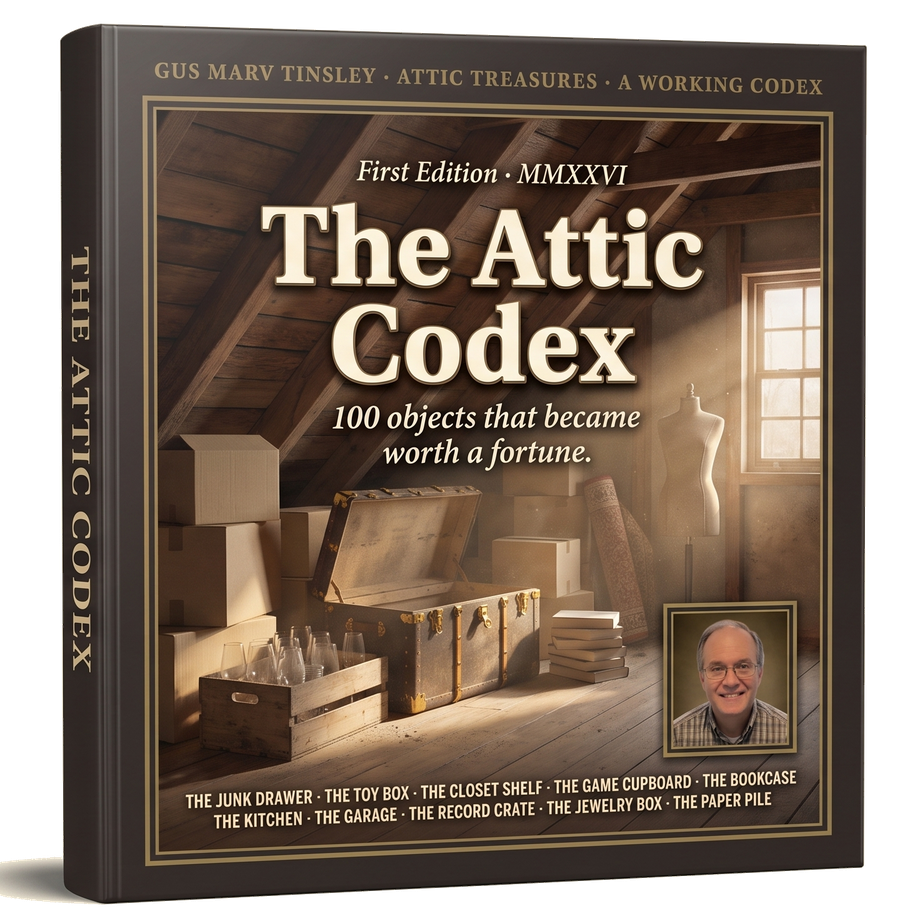
Price guides go stale in eighteen months and this one would too. The Attic Codex is a record of one hundred ordinary objects and the specific accident that made each one rare — a recall, a factory error, a short run, a lawsuit, a design changed halfway through production, a company that went under before the second shipment left the dock.
“Rarity is never on purpose. Somebody made a mistake, and fifty years later that mistake is the money.”
I have spent forty years walking into other people's houses after somebody died. The polite description is estate buying. In that time I have learned that the valuable thing almost never looks valuable — it looks like clutter, because for fifty years it has been sitting in a box behaving exactly like clutter.
So the book is built in two halves. Four short chapters that teach you to read any object, including the ones not in this book. Then one hundred entries, grouped by the room they turn up in, so you can go straight to the part that matches the room you are standing in.
Nobody throws away money on purpose. They throw it away because nobody ever told them which detail to look at.
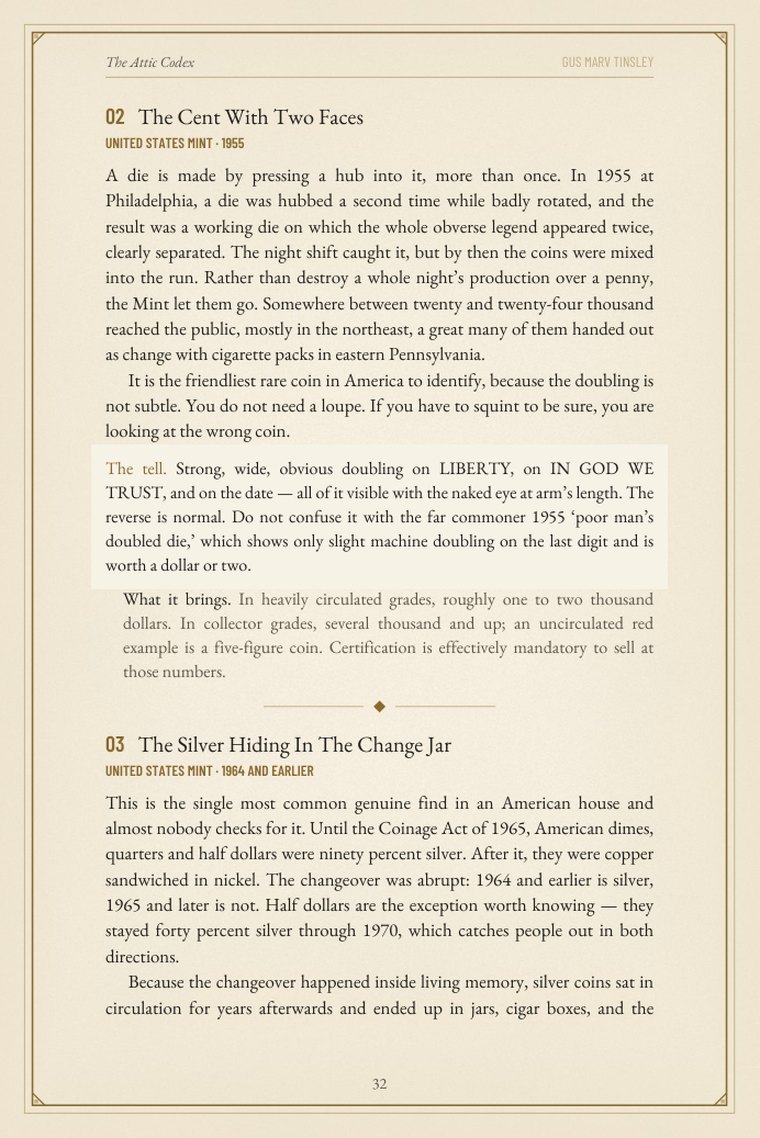
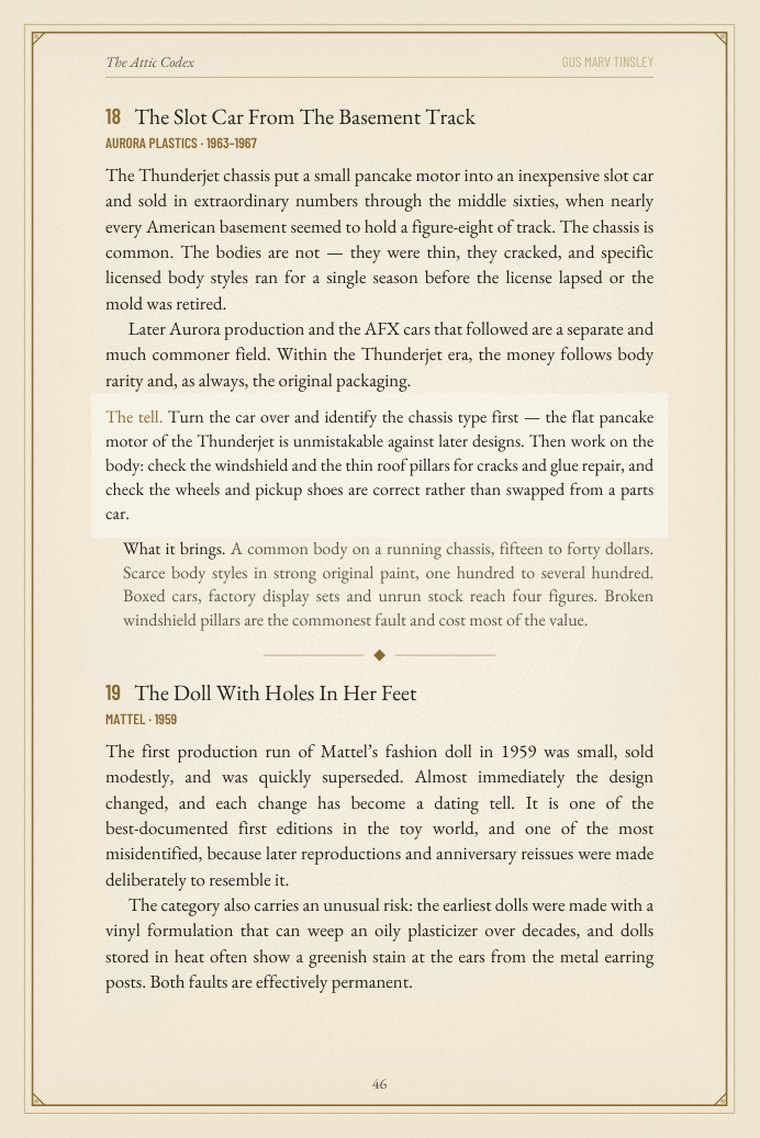
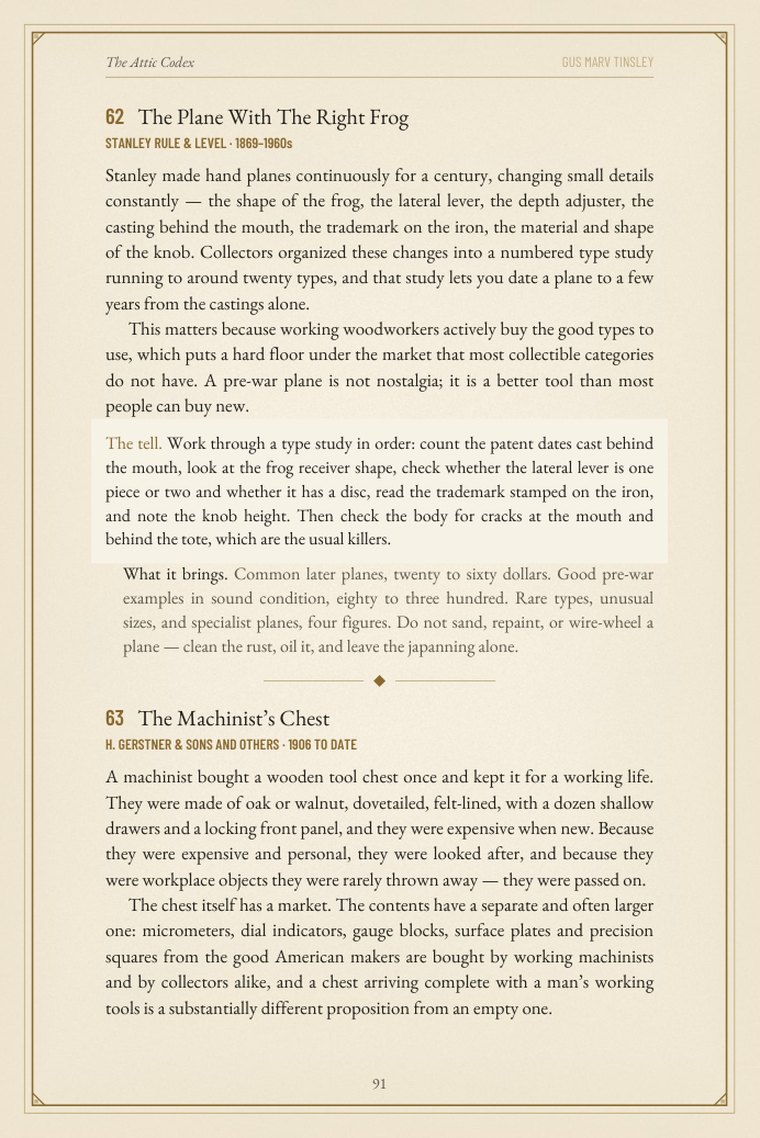
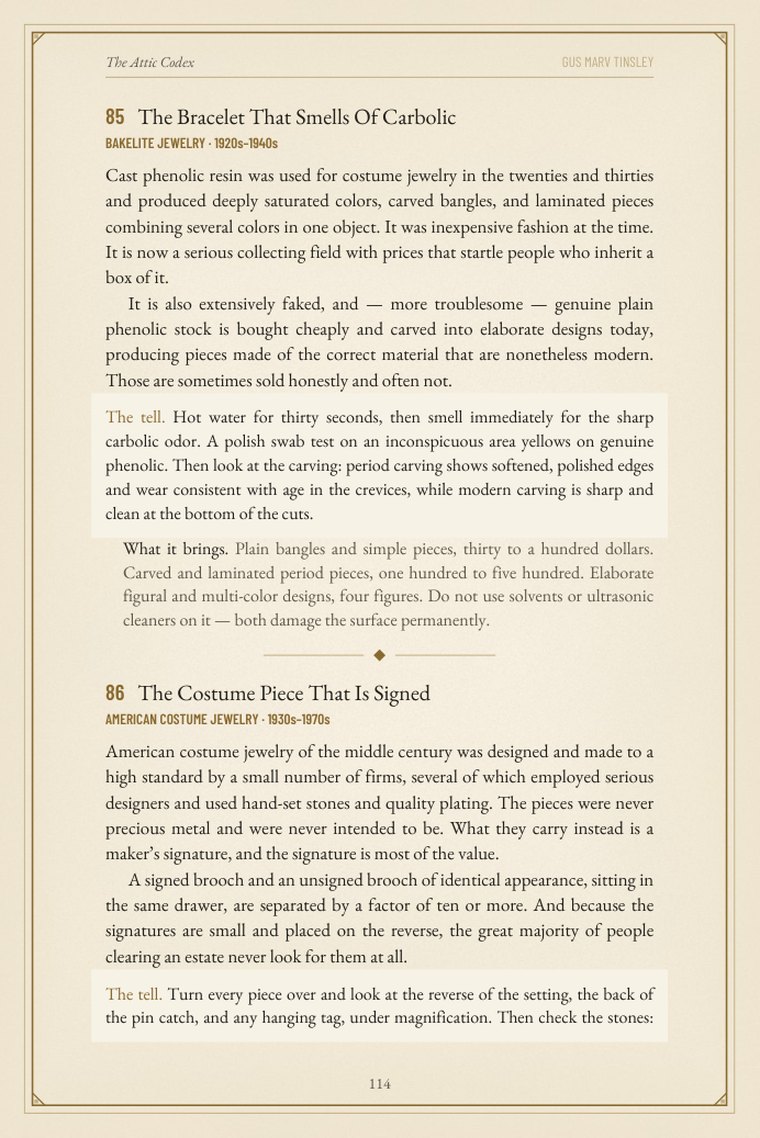
Every entry has the same four bones — who made it and roughly when, why it became rare, the tell, and what it brings. Once you know the shape you can read one in ninety seconds.
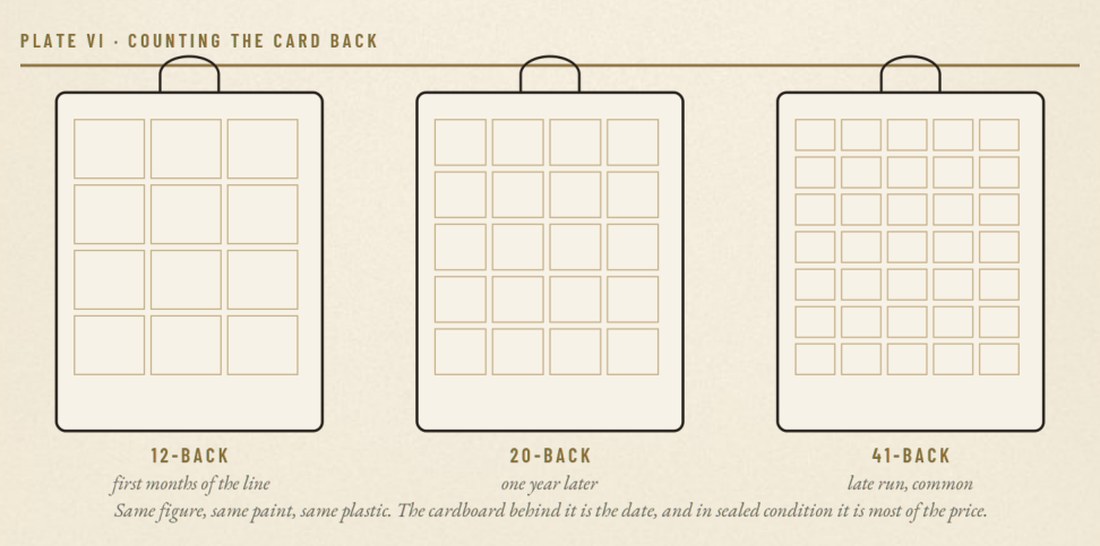
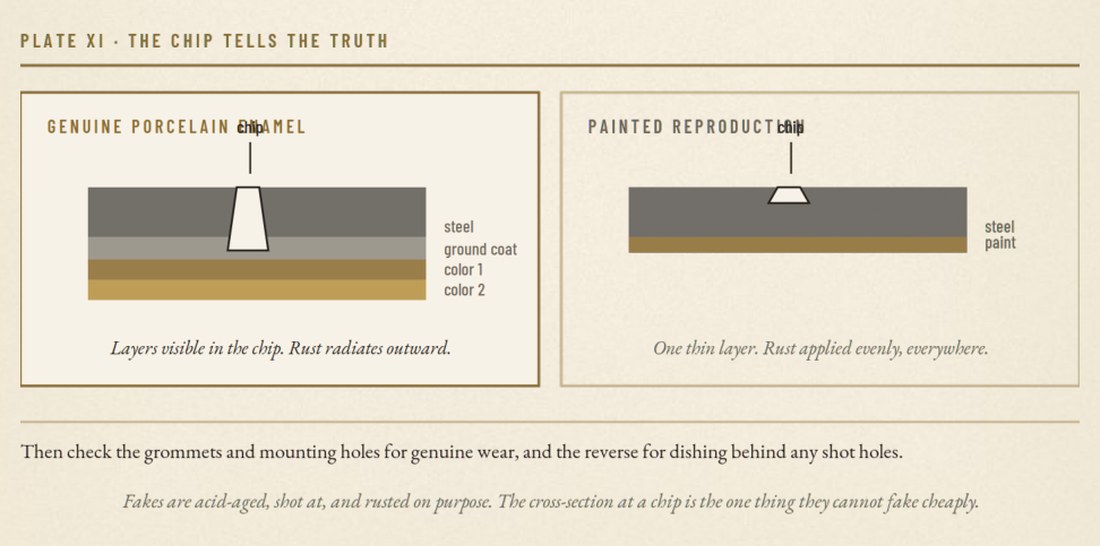
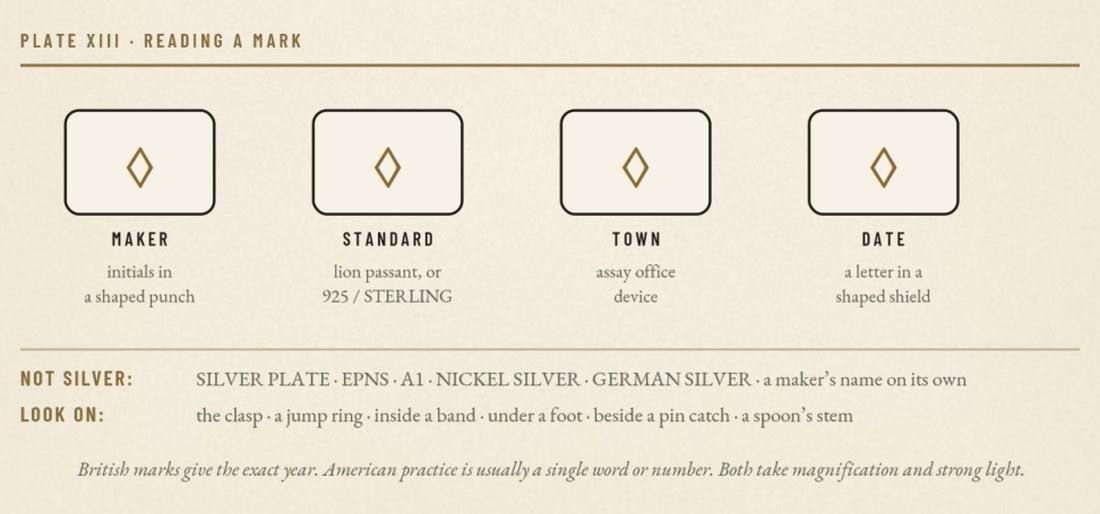
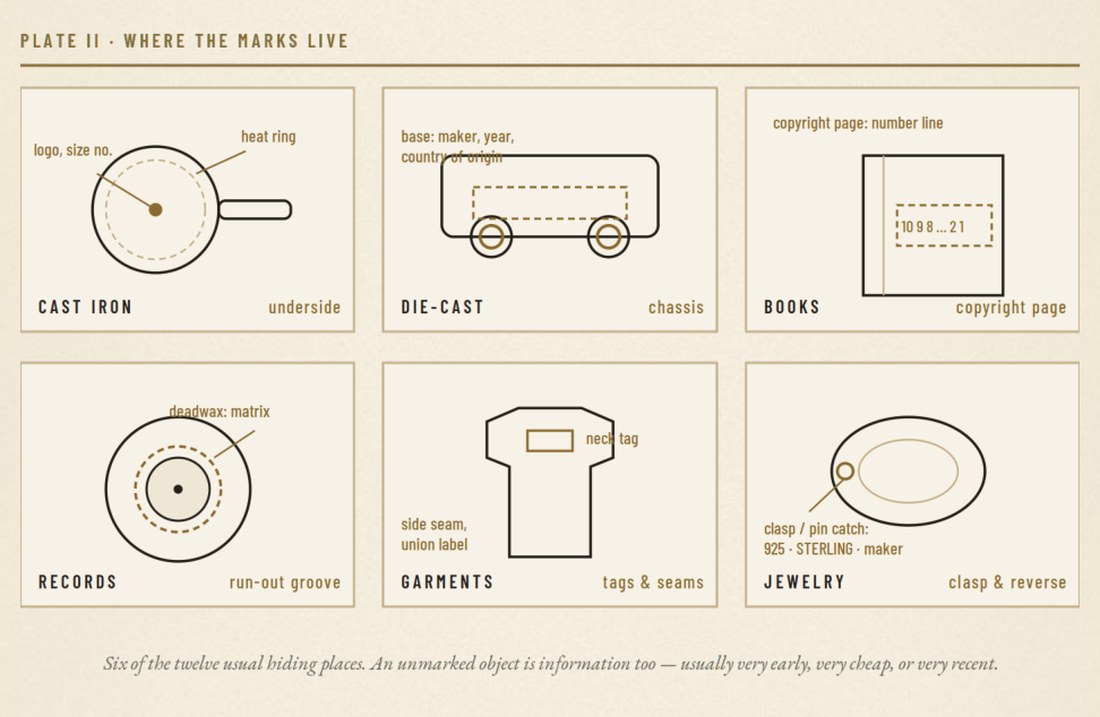
Where the marks live, how a card back dates a figure, what a chip in enamel proves. Drawn plain, so you can hold the page next to the object.


Every entry: who made it and when · why it became rare · the tell · what it brings
Instant download · Yours forever
“We had four days to clear my mother's house. I read the four chapters on the drive down and worked the rooms in Gus's order. The lock in the garage rafters was the one — I would have left it hanging there.”
Dale R., Ohio“Thirty years of car boot sales and I never once turned a brooch over properly. The chapter on where the marks live changed how I buy. I now carry a loupe and the grading card in my coat.”
Marjorie H., Somerset“Honest about the things that are worth nothing, which is what sold me. Half the book is Gus telling you to leave the display cabinet alone. That is not what a price guide does.”
Ken P., Arizona
My name is Gus Marv Tinsley. I buy estates. That means I show up at a house after somebody has died, usually with a folder and a tape measure, and I put a number on the contents while the family stands in the hallway deciding what to keep.
I started the Attic Treasures channel because the same objects kept going into the same skip in the same order, house after house, and the same five objects kept coming back out of it worth more than the furniture everybody had spent Saturday arguing about. This book is the part I could never fit into a video: the method underneath, and the hundred specific objects I have watched people throw away.
Read it in any order. Use the Contents to find the room you are standing in. And when you find something, do me one favor before you sell it: read Chapter Four, and look up what it actually sold for.
Before the next box goes to the curb.
100 Objects That Became Worth a Fortune · First Edition 2026
Instant download · Yours forever
Secure checkout · Visa · Mastercard · Amex · PayPal
Every figure is a general range drawn from public auction and marketplace results at the time of writing, not an appraisal and not a promise. Collectible values move constantly and they move in both directions. That is exactly why Chapter Four teaches you to pull current sold prices yourself in about four minutes — the method outlives any number I could print.
The videos are one object at a time, and they are the story. The book is the method underneath, which is the part that does not fit in ten minutes: the four questions, where the marks live on every material, the condition ladder, how to find what a thing sold for, and then a hundred entries you can look up in the moment, standing in the room, without a signal.
Because the people who need it most are the ones who have been handed a key and a date for the skip, and they are not in the mood to spend real money on a book about junk. One entry noticed pays for it many times over. I would rather it were in the coat pocket of everybody clearing a house this month.
A 148-page illustrated PDF, delivered the moment you buy. It reads on a phone in a dark attic, on a tablet, or on a computer, and it prints cleanly if you would rather have paper in the toolbox. It is yours to keep — there is no subscription and nothing expires.
It is written for the person clearing one house, not for the trade. The four method chapters take about twenty minutes to read once. After that every entry is ninety seconds, and the tell is always a physical thing you can see with your own eyes and a bright light — a seam, a number line, a chassis, a mark on a clasp.
Most of the hundred are objects that turn up in American and British houses alike — die-cast, records, cast iron, tools, enamel signs, hallmarked silver, first editions. The marks chapter covers both British hallmarking and American practice, since they read very differently.
Wait — one thing
The Attic Codex is $27 today, down from $47. One hundred objects, the tell for each one, and the four chapters that work on everything else in the house.
Get the Attic Codex — $47 $27 or see what's inside →